Imagine placing an order with a supplier and waiting a year for delivery, then paying with a piece of paper backed by tobacco.
That was business in colonial America. According to the National Postal Museum, a typical transatlantic crossing in the 18th century took six weeks one way, with reliable monthly mail service between Falmouth, England, and New York not beginning until 1755. A merchant in Boston who ordered a bolt of English cloth in January might not see it on his shelves until autumn, and that was if everything went right.
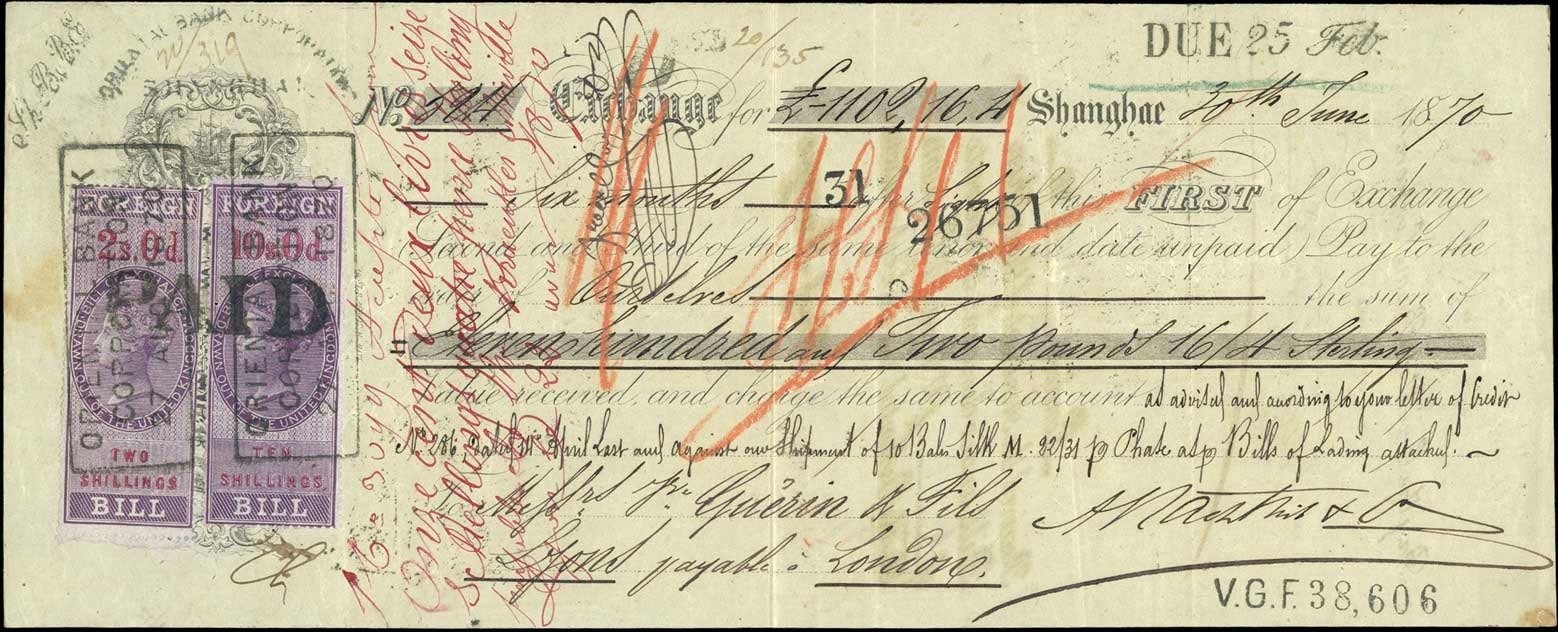
The financing was its own challenge. According to the EH.net economic history project, hard currency was scarce in the colonies, so colonial merchants paid with bills of exchange, paper IOUs backed by exports already sent the other direction. According to the American Yawp historical project, Virginia used tobacco itself as money. Massachusetts became the first place in the Western world to issue paper currency in 1690.
Cash flow ran on faith. A planter shipped tobacco to a London "factor," or agent, who sold it months later and credited the proceeds against goods the planter had already ordered. According to Encyclopedia Virginia, most American colonists were chronically in debt to British merchants as a result.
Yet the system worked. According to Brill's "Colonial Ports, Global Trade," Boston had grown into the largest city in British America by 1700, built on exactly this kind of long-distance, slow-motion commerce.
The lesson for any business owner today: supply chains have always been hard.

Rick Good spent ten years in the newspaper business, including with The News & Observer (Raleigh, NC) and The Greenville News (Greenville, SC). He co-wrote, with Melinda Coleman, Rutledge to Riley: Governors of South Carolina, 1776–Present (Published by The Greenville News), and is the author of Mind Games Trivia #1 (Amazon). He has recently spent 15 years creating original trivia content through Sounds Good Mobile Entertainment and continues that with his new company, SGME Software. He edits The Smart Reader’s money, real estate, and business coverage.