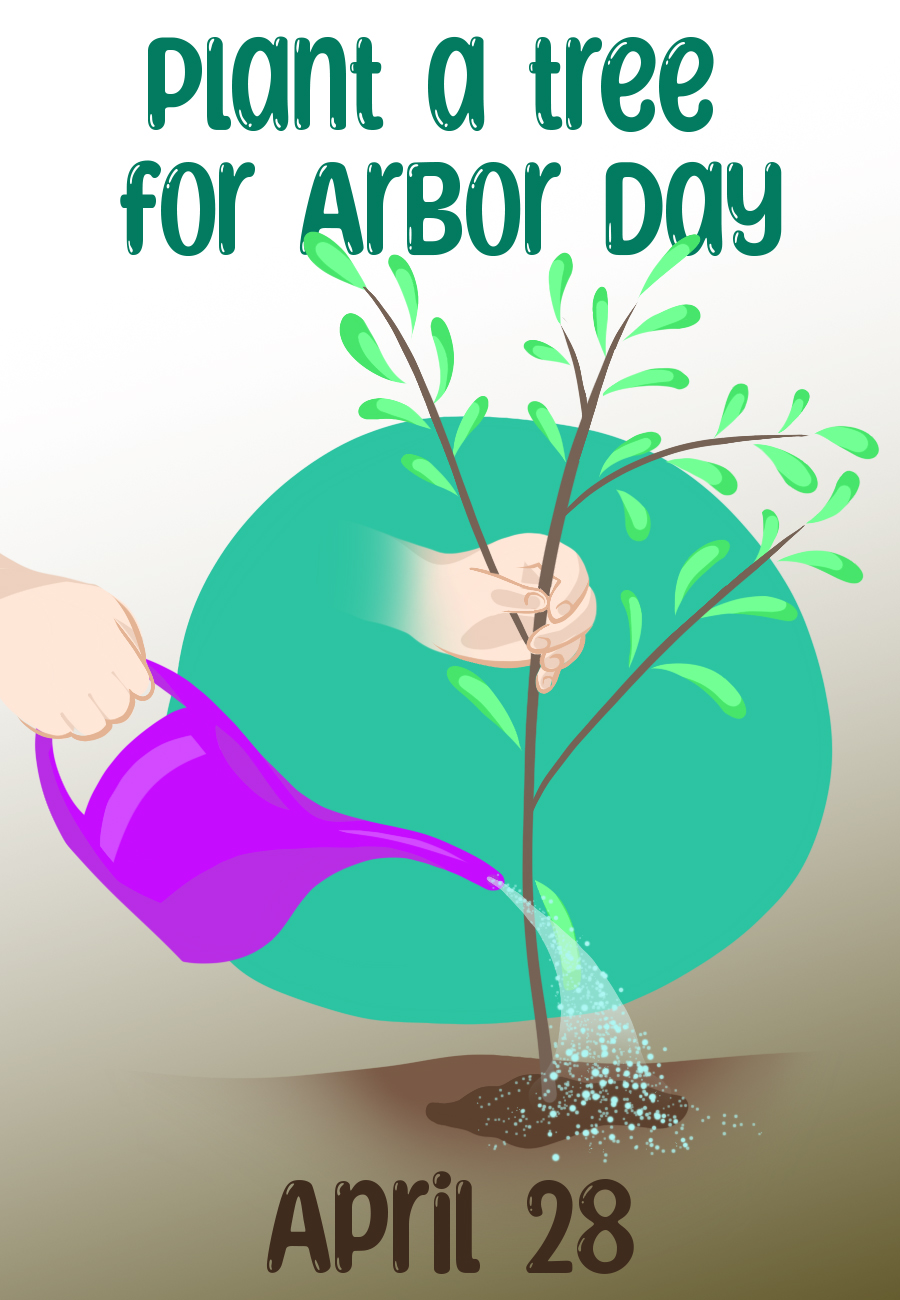
A tree can add beauty to your landscape and value to your home, but choosing its location can be tricky.
Consider both the type of tree you want and its placement at the beginning.
If you want a shade tree like a maple, overestimate how much room you will need for it. It should grow far away from power lines or buildings. Don't plant too close to concrete walkways or driveways, because the roots may damage concrete. The long branches of the tree should not be able to stretch over your house, dropping limbs on the roof or leaves in the gutters.
If you want a lovely ornamental tree as a showpiece, be sure you choose one that grows well in the area you want to plant it. Not all ornamental trees are right for all spaces in the yard. Since they are usually expensive, this isn't a mistake you want to make.
Some general rules:
* A columnar tree requires less space. Round and V-shaped species provide more shade.
* Trees that lose leaves in the winter offer lots of shade, but consider whether falling leaves will create a mess along fences or clog gutters.
* Ornamentals, especially flowering ones, may have be about their placement. A Japanese maple, for example, looks fabulous, but it can be sensitive to cold snaps, heat, and the amount of sun it gets daily. Consider soil, sun, and moisture requirements.
* Slow-growing species typically live longer. Fast growers provide beauty and shade in just a few years.
* Do some research on flowering trees. The showy white blooms of a Bradford pear have been a favorite, but it has become invasive in many areas, particularly Arkansas, and some states have banned it entirely. It also doesn't live very long.

Rick Good spent ten years in the newspaper business, including with The News & Observer (Raleigh, NC) and The Greenville News (Greenville, SC). He co-wrote, with Melinda Coleman, Rutledge to Riley: Governors of South Carolina, 1776–Present (Published by The Greenville News), and is the author of Mind Games Trivia #1 (Amazon). He has recently spent 15 years creating original trivia content through Sounds Good Mobile Entertainment and continues that with his new company, SGME Software. He edits The Smart Reader’s money, real estate, and business coverage.