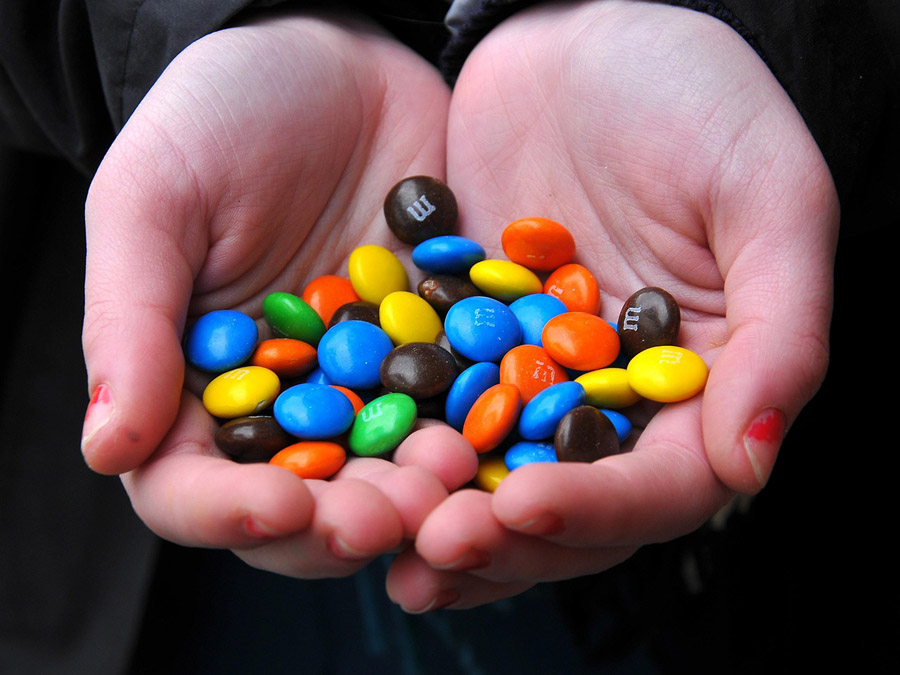
The magenta filling inside a Pop-Tart, the nuclear glow of a sour apple lollipop, and the powdered drink mix that turns dark purple with water. The saturated colors that you see in these and thousands of other commercially prepared foods usually come from artificial food dyes — but may not for much longer after the federal government announced its plan to completely remove petroleum-based synthetic dyes from the U.S. food supply.
According to NBC News, nine of the 36 FDA-approved food dyes are derived from petroleum. The other 27 approved colors are derived from vegetables and other natural sources. While researchers have not yet found a clear causal relationship between food dyes and health complications, studies have already linked artificial colors to heightened cancer risks and behavioral problems in kids.
The push to eliminate artificial colors from the food supply is nothing new. According to CNN, the FDA announced a ban on red dye No. 3 during the Biden administration. California enacted its own statewide prohibition in 2023. Red 3 is already banned in the European Union, the United Kingdom, Australia, New Zealand, and several other countries, along with a number of other artificial colors that the U.S. allows (at least for now).
Food manufacturers will certainly feel the impact of the ban if it takes effect, but consumers are unlikely to notice much of a difference. The additives don't impact taste, and natural alternatives are widely available.

Rick Good spent ten years in the newspaper business, including with The News & Observer (Raleigh, NC) and The Greenville News (Greenville, SC). He co-wrote, with Melinda Coleman, Rutledge to Riley: Governors of South Carolina, 1776–Present (Published by The Greenville News), and is the author of Mind Games Trivia #1 (Amazon). He has recently spent 15 years creating original trivia content through Sounds Good Mobile Entertainment and continues that with his new company, SGME Software. He edits The Smart Reader’s money, real estate, and business coverage.