
State of the robots:
They are coming (and maybe falling) your way
If the World Humanoid Robot Games in Beijing are any indication, robots shaped like humans are not ready for prime time.
In that Olympic-style event, the humanoids were slow, clumsy, not very skilled, and prone to lose their heads, literally. And arms.
But robots are here and operating all by themselves doing lots of mechanical tasks, although most are not shaped like humans and likely to be wheeled.
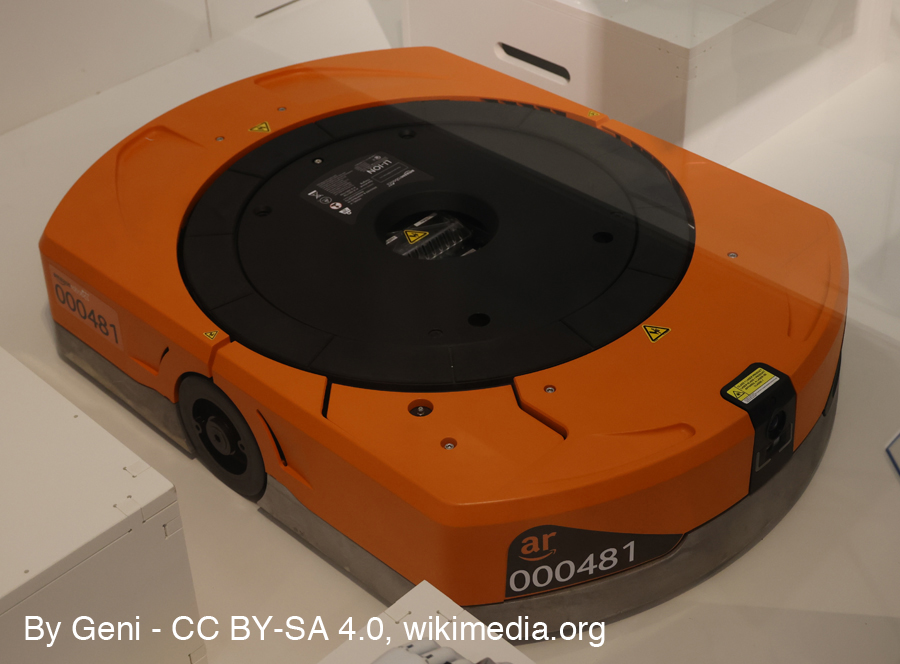
* Autonomous Mobile Robots. Amazon's Kiva is one example. Used in warehouses, these navigate and transport goods without human input, using sensors and mapping to avoid obstacles
* Agricultural Robots: The wheeled Wall-Ye V.I.N robot prunes vineyards and collects data autonomously, operating 600 vines daily without supervision.
* Search and Rescue Robots: Rugged units with cameras and sensors, deployed in disaster zones. The Teledyne FirstLook robot is about the size of a brick with tank-like treads. It is designed to be thrown into tight spaces or unstable terrain where it can explore rubble independently.
* Self-Driving Delivery Robots: Companies like Starship Technologies deploy robots that navigate city streets to deliver packages, adapting to real-time conditions.
* Underwater Robots: Autonomous underwater vehicles (AUVs) map oceans or inspect pipelines without human intervention.
Human shaped robots are being developed since they would be useful in human environments. The design faces several hurdles including engineering and efficiency problems, such as balance and dexterity. One example of a humanoid in development is the famed Optimus robot by Tesla. The robot stands 5'8" tall and weighs 125 pounds, imitating human size. Analysts predict humanoid robots could become common in daily life within the next decade, with markets reaching $30'38 billion by 2035 and potentially $5 trillion by 2050, according to Morgan Stanley.

Briefs and quick reads selected and edited by The Smart Reader’s editorial team.