


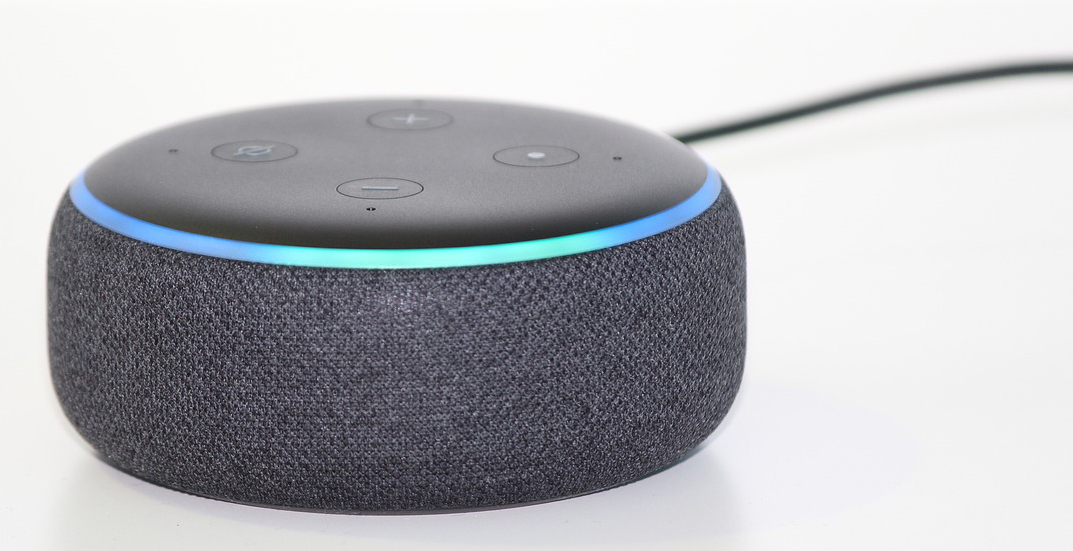
When Amazon introduced its popular Echo smart speaker in 2014, it positioned the device as a loss leader — a time-tested strategy that means selling a product or service below market value to attract customers who purchase more profitable goods later. Amazon gambled that customers would use the Echo to buy things from Amazon on the fly with simple commands to the Alexa digital assistant. Echo users wouldn't even need to pull their phones out of their pockets to buy.
Customers loved the Echo, and it joined the Kindle, Fire TV Stick, and video doorbell as one of Amazon's most popular branded device offerings. And that's exactly the problem — while Amazon's devices have been a hit with consumers, the profits mostly failed to materialize after the online retail giant introduced each loss leader to the market. According to the Wall Street Journal, Amazon loses billions on devices each year — about $25 billion between 2017 and 2021 alone. Simply put, customers bought the speakers, but never bothered to use them to order more stuff.
Why have the losses continued for so long? Founder and former CEO Jeff Bezos relied on a metric called "downstream impact," which assigns value to products and services based on customer spending habits after they purchase the item. Regardless of downstream impact, current CEO Andy Jassy is looking to slow the bleeding. Amazon plans to start charging a monthly fee for a premium version of the Alexa digital assistant, with more capabilities than the standard free version. A new Let's Chat feature also aims to give Alexa more human-like conversational skills.