


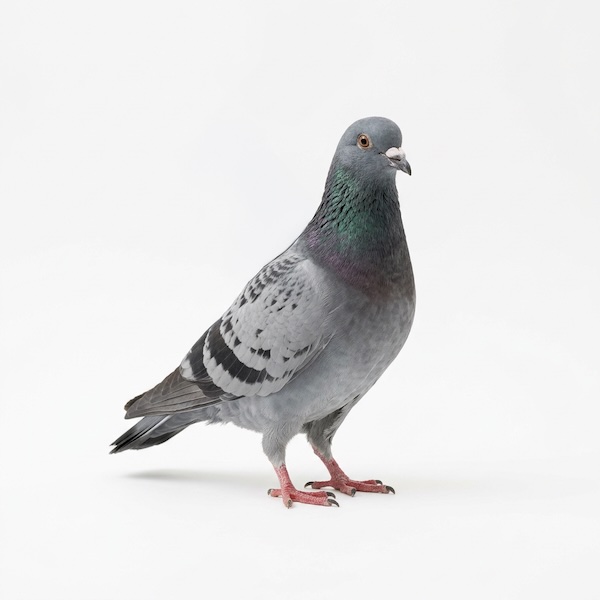
How a homing pigeon finds its way home across hundreds of unfamiliar miles has puzzled scientists for more than a century. A surprising new study points to an unlikely organ: the liver.
Researchers have long known that pigeons can sense Earth's magnetic field, but they could never pin down where the biological compass actually sits. According to a study reported by ScienceDaily in May 2026, the answer may lie in tiny iron-filled immune cells scattered through the bird's liver — an organ better known for filtering blood than for finding north.
Packed with iron, these cells appear to react to magnetic fields like microscopic needles, the researchers suggest. When the cells were disabled, the pigeons struggled to orient themselves and find their way, a strong hint that the liver plays a part in navigation no one had suspected.
The finding does not close the case. Scientists have also proposed magnetic sensors in birds' beaks and eyes, and birds clearly lean on the sun and familiar landmarks too. Homing ability probably draws on several systems working together.
Still, the humble liver has now joined the list of suspects in one of nature's most enduring mysteries.

Briefs and quick reads selected and edited by The Smart Reader’s editorial team.