
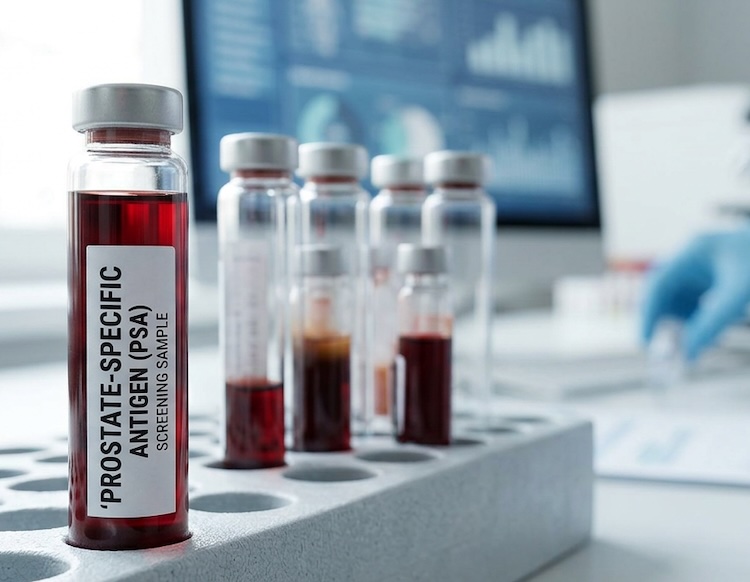
For decades, the trouble with prostate cancer screening was not that it missed dangerous tumors. It was that it found too many harmless ones.
The standard PSA blood test flags men for biopsy, but a high PSA often reflects a benign, enlarged prostate.Biopsies frequently reveal tiny, slow-growing cancers that would never have caused harm and yet get treated with real side effects. That problem, called overdiagnosis, has made experts wary of routine screening.
A large Swedish trial called GOTEBORG-2 points to a fix: add an MRI scan before the biopsy. According to results published in the New England Journal of Medicine, men with an elevated PSA first had a prostate MRI, and only those whose scans showed a suspicious area went on to biopsy. The approach cut biopsies by nearly 60 percent and roughly halved the detection of harmless cancers, while still catching the aggressive ones.

Allyson Good curates senior living, health, and family content. She is formerly the Managing Editor of Active Life, a print newspaper published in 2016-2017 for seniors, choosing practical articles on health, money, safety, and everyday living for older readers. She is also an avid gardener and offers up Garden Hints and Tips on a regular basis.